Theme of the month
The Truth About Pasta
Dear pasta lovers,
Pasta is often seen as something simple: an everyday staple found in kitchens all over the world. But during our recent masterclass, we explored a deeper truth: behind this humble product lies a complex story of agriculture, tradition, and quality.
From Two Ingredients to Infinite Differences
At its core, pasta is made from just two ingredients: water and flour. And yet, this simplicity is exactly what makes quality so important. The characteristics of the water and, above all, the grain used to produce the flour directly determine the final result on your plate.
Industrial vs Artisanal Pasta
One of the key themes of the masterclass was the difference between industrial and artisanal pasta.
Industrial pasta is produced on a large scale and often relies on grain sourced from abroad (countries such as Canada, Ukraine, or the United States) where farming methods are optimized for maximum yield. These systems focus on efficiency, allowing for high production volumes.
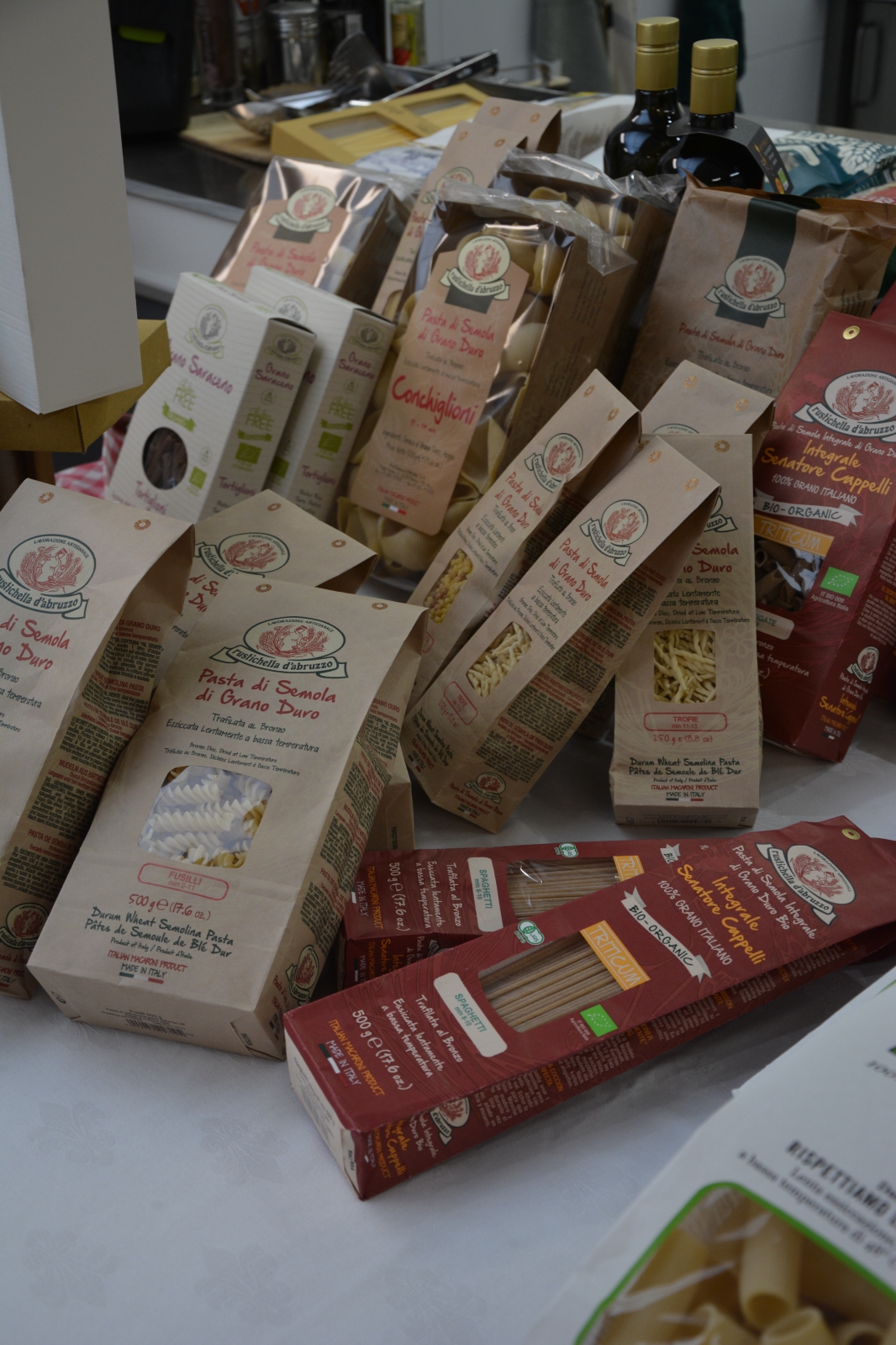
Artisanal pasta, on the other hand, is deeply rooted in local traditions. In Italy, many producers still follow agricultural practices that have been passed down for generations, prioritizing quality over quantity.
The Role of Agriculture
A fundamental difference lies in how the wheat is grown.
In many large-scale farming regions, wheat is cultivated continuously on the same land year after year. In contrast, traditional Italian agriculture often follows a rotation system, dividing land into sections and alternating crops such as wheat, potatoes, and forage, along with periods of livestock grazing.
This method naturally enriches the soil and reduces the need for chemical fertilizers. While it leads to lower yields, it results in healthier soil and higher-quality grain.
Yield vs Quality
This brings us to an important trade-off: yield versus quality.
Countries focused on industrial production achieve high yields by planting densely and optimizing for machine harvesting. Italian producers, using traditional methods and often harder grains, accept lower yields in exchange for better flavour and nutritional quality.
Storage, Transport, and Freshness
Another crucial aspect is what happens after the wheat is harvested.
Grain imported from abroad must travel long distances and be stored for extended periods, often requiring treatments to prevent mold during transport and storage in silos.
In contrast, many Italian producers use grain from the most recent harvest, minimizing storage time and preserving its natural characteristics.
A Note on Egg Pasta
We also introduced egg pasta as an alternative to traditional pasta made with water.
By replacing water with eggs, the dough becomes richer in protein, more satisfying, and more complex in flavour. While egg pasta can be enjoyed fresh, it can also be dried for preservation, making it a versatile option with distinct nutritional and culinary qualities.
From Field to Plate
Ultimately, what we aimed to show is that pasta is not just a product—it is a process. From the way the wheat is grown, to how it is milled and transformed, every step matters.
Artisanal pasta producers often control this entire chain, from field to final product, ensuring consistency, traceability, and quality.
By understanding the journey from field to plate, we can make more informed choices and, ultimately, enjoy better food.
Package of the month
Package of the month available soon
Visit our webshop
More themes of the month
Regione Lazio – Home to Rome
REGIONE LAZIO - home to Rome; blending timeless history, vibrant culture and coastal beauty.

